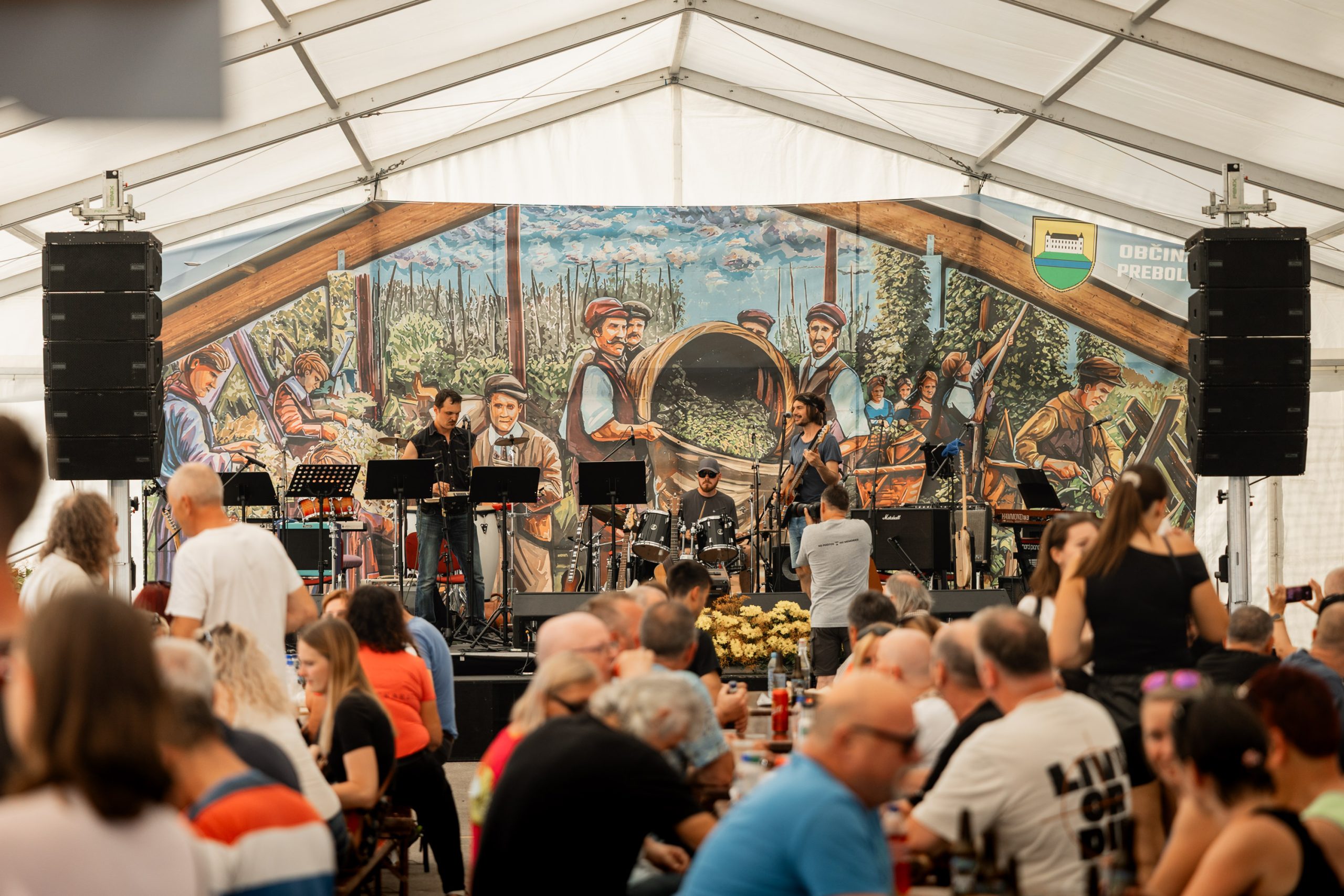
The key challenges are addressing housing affordability, sustainable mobility, technological development, energy self-sufficiency and quality of life with the aim of creating attractive and future-oriented cities of Celje and Prebold.
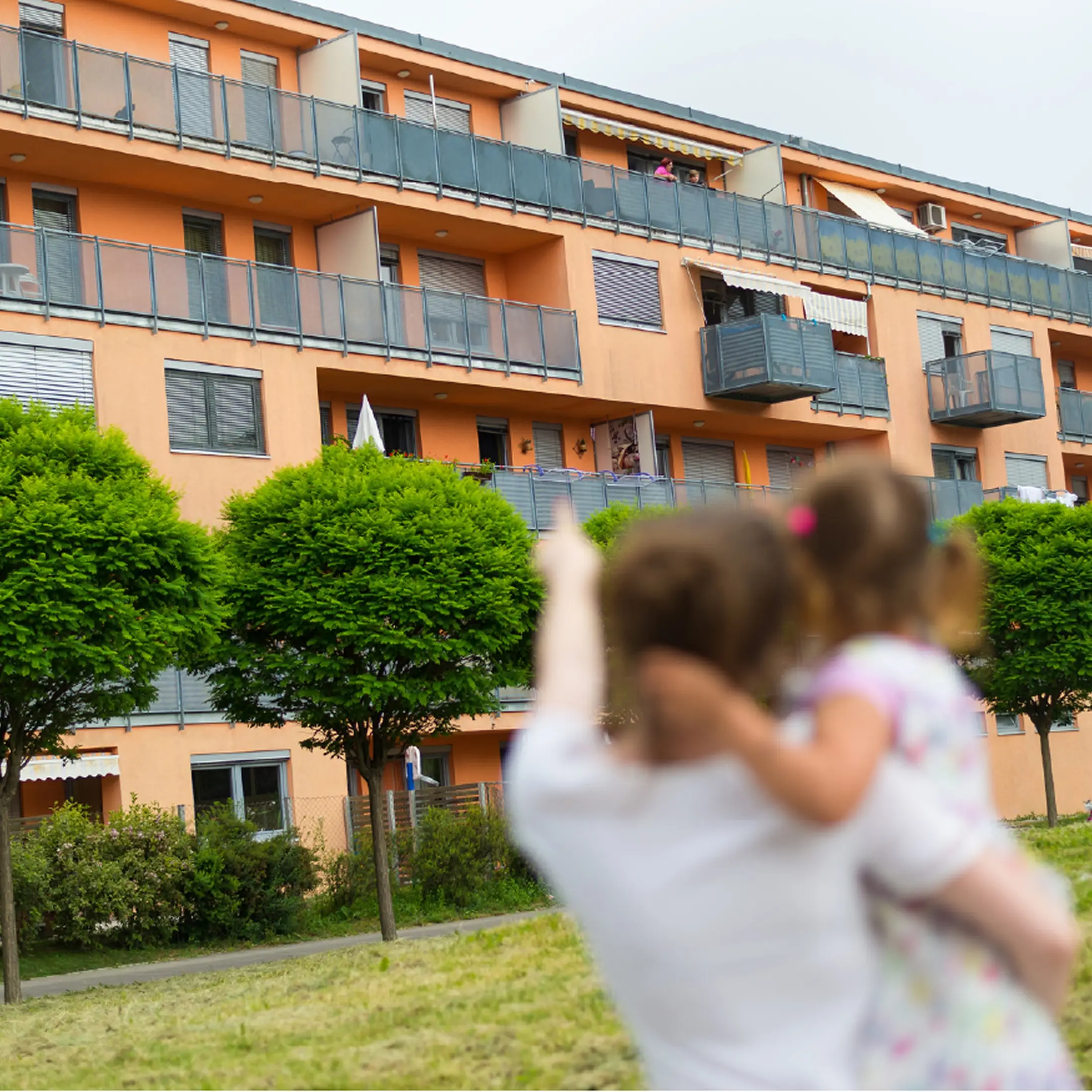
Affordable housing is one of the key foundations of a good quality of life in the city.
As part of the MAG-NET alliance, we are looking for new ways to provide suitable and affordable housing in Celje for young people, families and the elderly. Affordable housing challenge focuses on developing and potentially testing concrete solutions – from housing cooperatives and community-based forms of living to activating vacant apartments in the city centre and pilot projects aimed at young people and young families. Our goal is to create an environment where housing is not a barrier to independence, but a solid foundation for a stable and long-term life in the city.
As we are facing a shortage of available housing in Celje, we have prepared a set of measures to improve housing conditions. The new housing programme of the Municipality of Celje 2025–2032 focuses on activating empty apartments and developing new community-based housing models as part of the pilot measures of cluster E. Key innovations include exploring the possibility of establishing a housing cooperative, developing community housing for young and elderly people, preparing special housing for young entrepreneurs, and designing the “First House” settlement for young families on their way to their first home.
Through these efforts, Celje is growing into a place that attracts talent, nurtures families, and provides a strong foundation for anyone wanting to shape their future here.
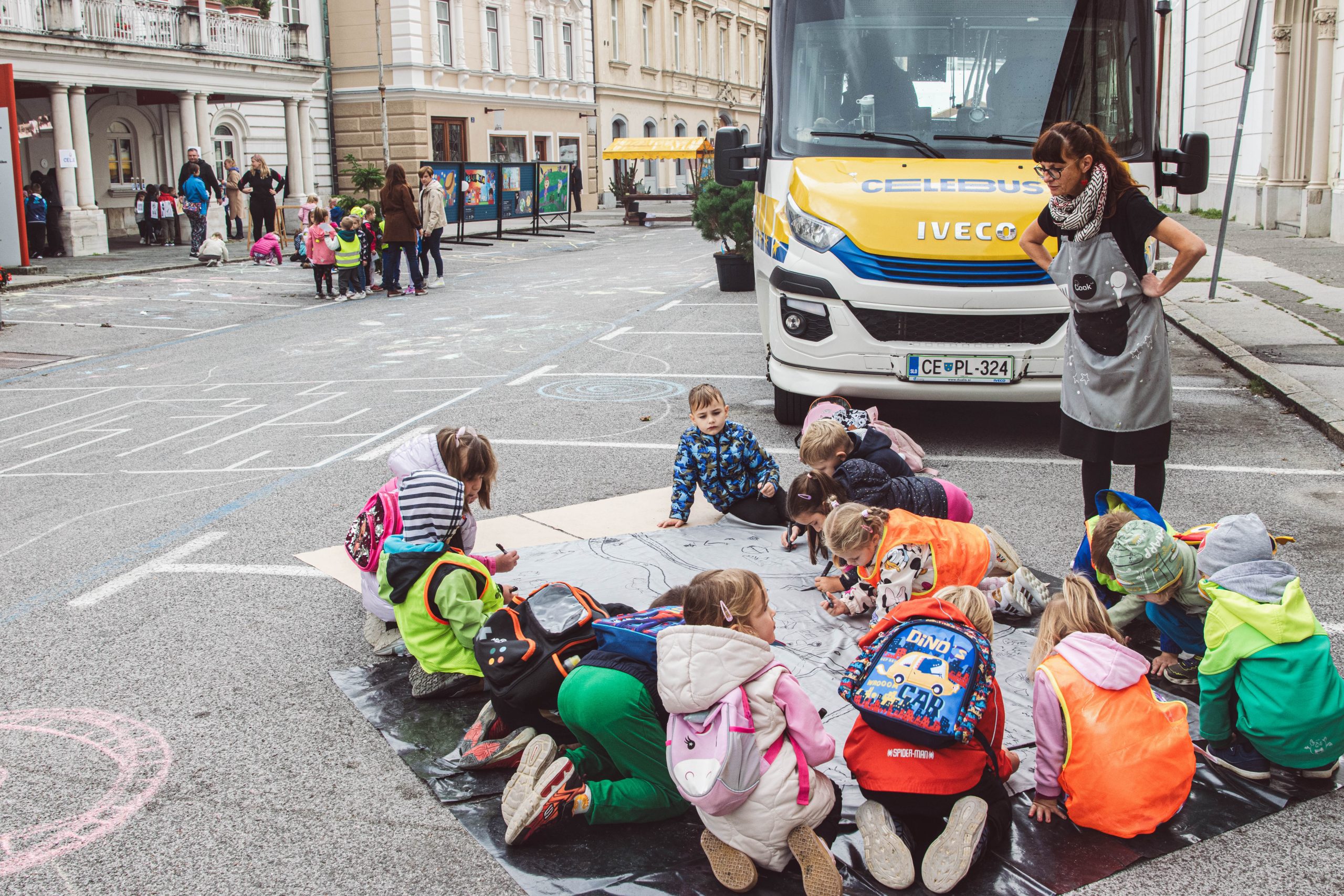
In the MAG-NET alliance, we are developing solutions that promote safer and more sustainable modes of transport, with a special focus on children’s routes to school and kindergarten.
The goal of the challenge is to reduce traffic congestion around educational institutions and create environments that encourage more walking, cycling, and independent movement for children.
Celje faces a strong reliance on private cars, along with a lack of quality infrastructure for walking, cycling and public transport. This has a significant impact on children and young people, whose daily journeys are often not safe or pleasant enough for them to travel independently. As a result, traffic congestion and emissions increase, and the overall quality of the living environment declines.
In cooperation with schools, parents, children and other relevant stakeholders, we are developing and testing pilot measures that reduce car dependency and improve conditions for sustainable mobility. With safer, better organised and more attractive routes, we want to create a city where sustainable habits become part of everyday life for the entire community.
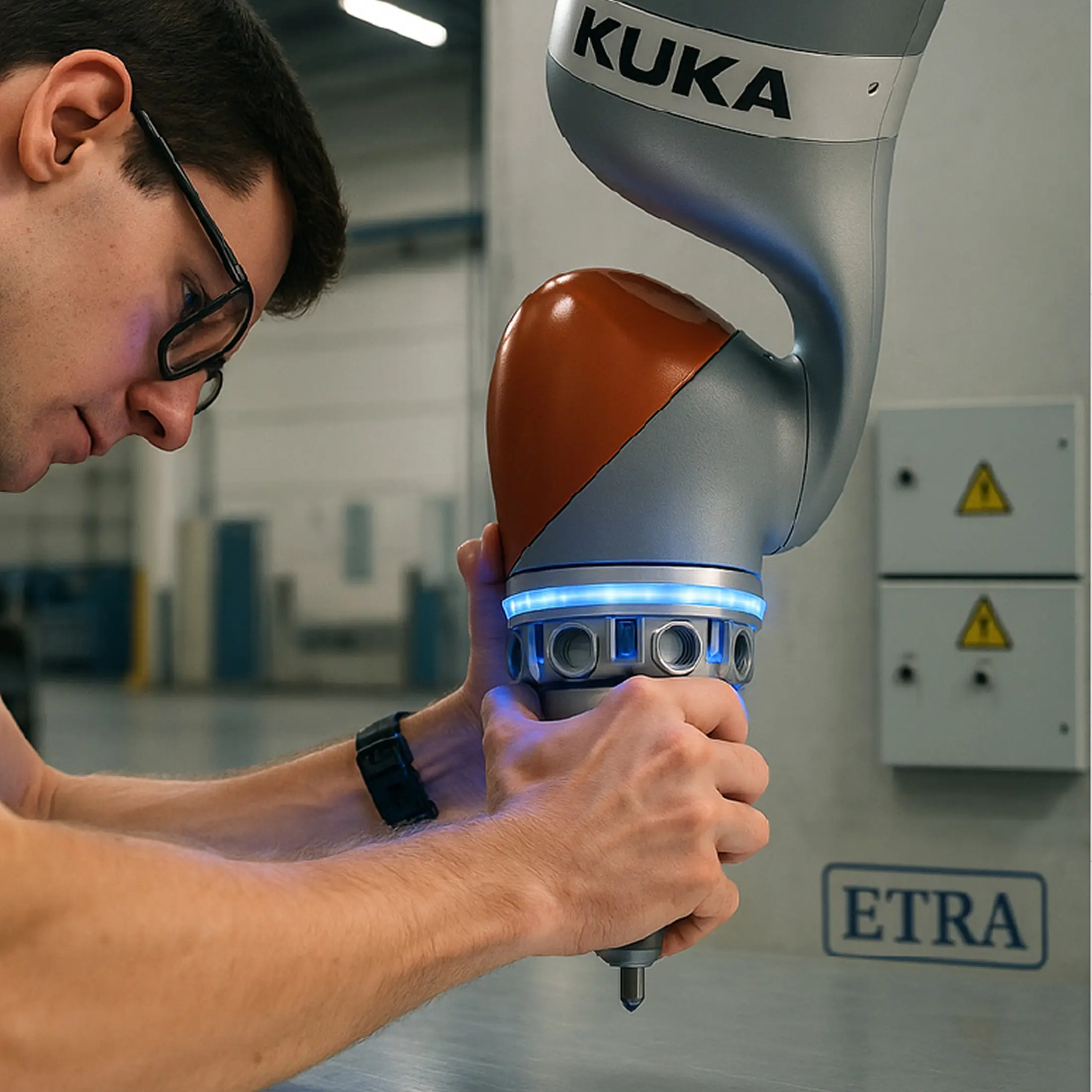
The city’s economic development is based on knowledge, technology and people who create new opportunities.
The challenge strengthens cooperation between the companies, educational institutions and the local environment with the aim of developing high value-added jobs and creating an environment in which young talents can envision their future. The challenge focuses on the introduction of advanced technologies, digitalisation, the development of future skills and the strengthening of the innovation potential of the local community. Celje strives to become a city that promotes modern industrial practices, enables continuous learning and supports companies in their transition to more technologically advanced operations.
Within the MAG-NET alliance, we are looking for new ways to connect companies, schools and the local environment, strengthen collaborative mechanisms and create conditions for sustainable economic growth. The aim is to encourage innovation, improve employment opportunities and motivate young people to build their careers in Celje.
The challenge lays the foundations for a smart, competitive and future-oriented economy based on cooperation, knowledge and technology.
The energy transition opens up new opportunities for cooperation between residents, businesses and public institutions.
The Community energy challenge explores how local communities can jointly produce, share and use energy from renewable sources. The aim is to develop simple, fair and feasible models that increase energy self-sufficiency, reduce costs and contribute to the sustainable development of Celje.
Community energy enables citizens, public institutions and businesses to become active participants in the energy system – not just consumers, but also producers and co-managers of local energy. This approach strengthens energy security, preserves the value of energy in the local environment and promotes more responsible use of renewable resources.
Within the MAG-NET alliance, we connect key stakeholders and develop pilot approaches that test different models of cooperation and new ways of involving residents. In doing so, we go beyond a technical understanding of energy: community energy represents a new way of connecting cities, people and energy based on trust, solidarity and mutual benefit.
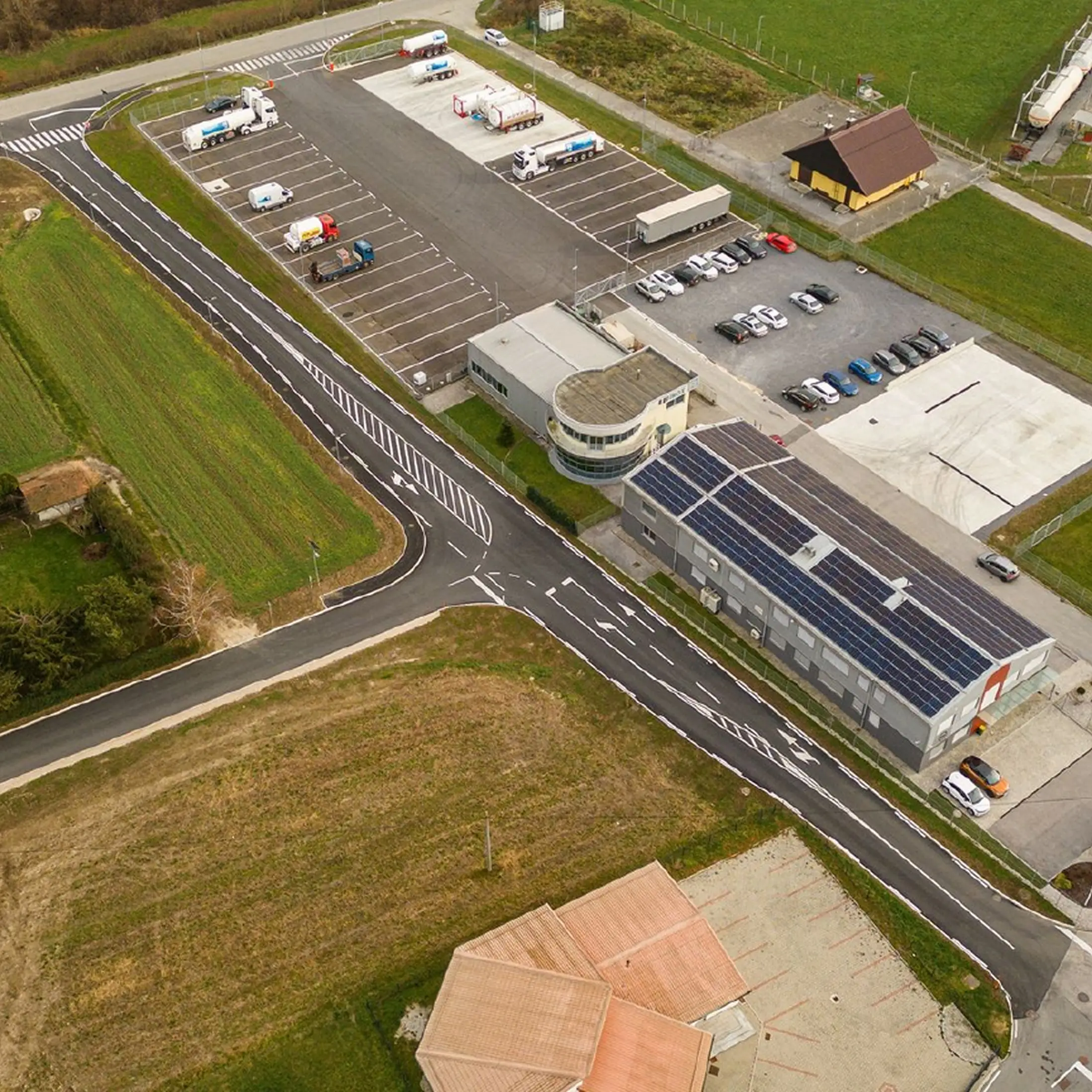
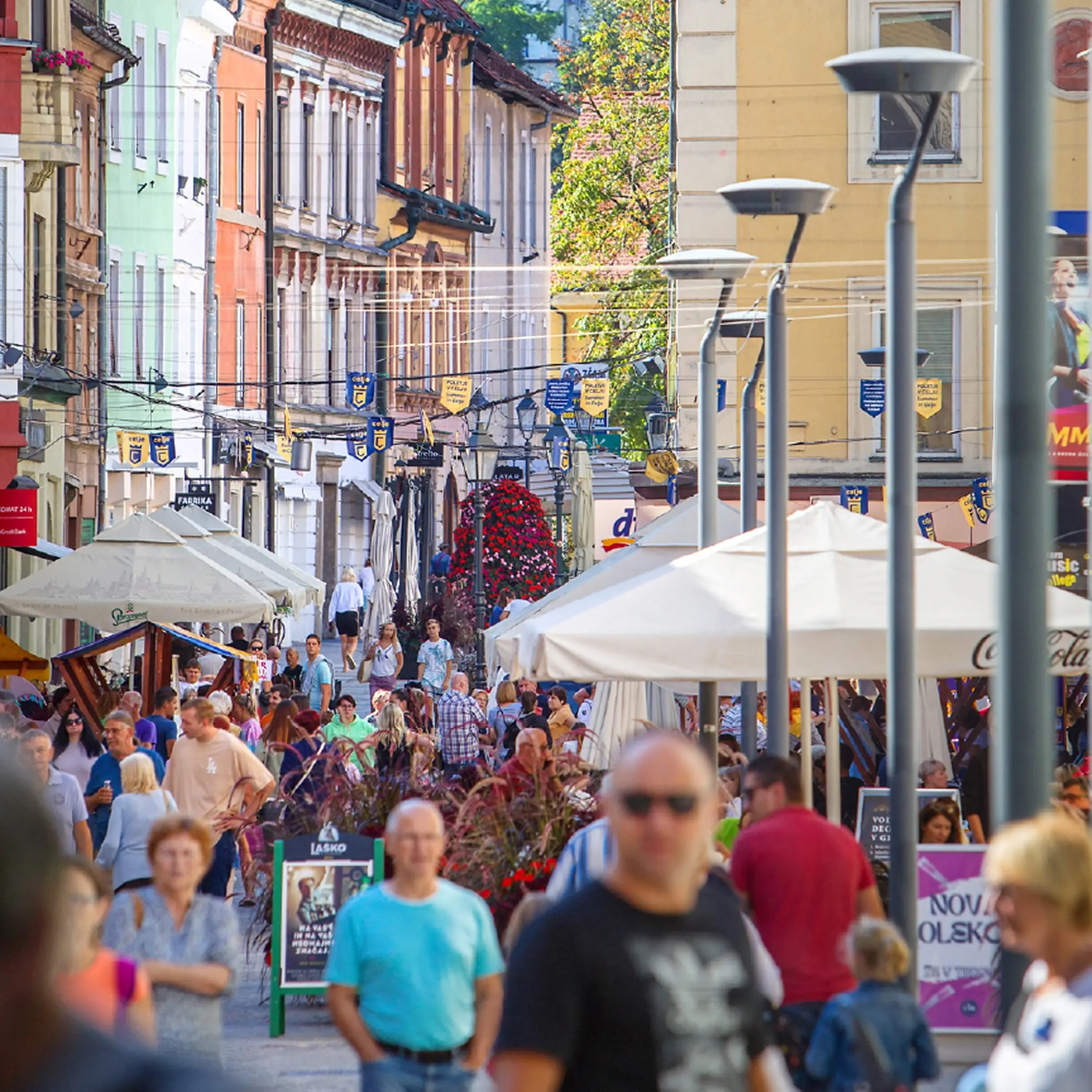
The Urban atmosphere challenge is focused on strengthening Celje’s identity, sense of belonging and the development of diverse urban activities.
The focus is on co-creating programmes, events and spaces that connect residents, creators, associations and other organisations. Through pilot activities, temporary urban interventions and the development of community spaces, MAG-NET encourages people to actively participate in shaping a vibrant everyday life in the city.
A city’s atmosphere goes beyond individual events – it is a continuous process that cultivates liveliness, deepens community belonging, and defines the unique identity of Celje.The goal is to create a city where people of all generations can find interesting activities, opportunities for creativity and spaces for socialising. An important part of the challenge is also the organisation of a festival in the city, which would not function merely as a one-off event, but as a testing ground for temporary urban interventions and micro-programmes.
DOM – Dom ustvarjalnih skupnosti (House of Creative Communities) also has a special role to play in this challenge. It is a key community infrastructure that will open towards the end of 2026 and will function as a generator of local content and an “open laboratory” where residents will not only be visitors but also active co-creators of programmes.
“The pulse of Prebold” is a long-term process of strengthening the city’s pulse, cultural identity and intergenerational cohesion.
Through two key pillars – strategic development of tourism and events, and the creation of modern community infrastructure – we want to create an environment in which residents are not just visitors, but active co-creators of life in the town.
Within this framework, two important spaces are being created: a Mini-Hub as a pilot laboratory for youth programmes and intergenerational integration, and the establishment of a new House of Culture and Memory as the long-term central cultural and social centre of Prebold.