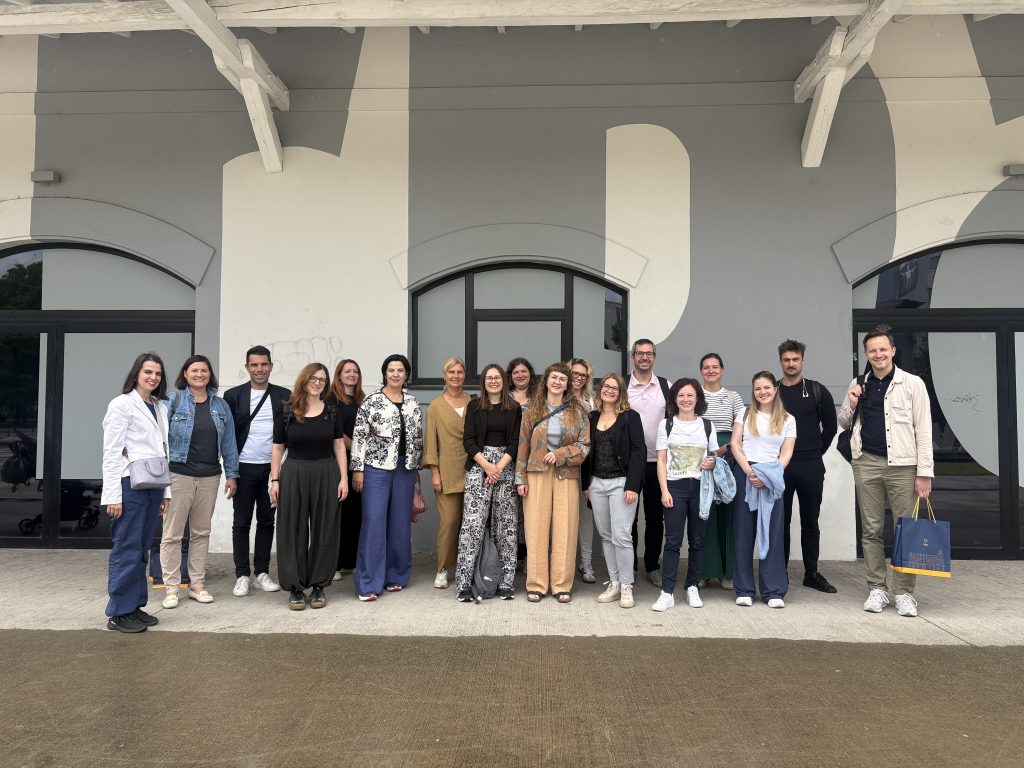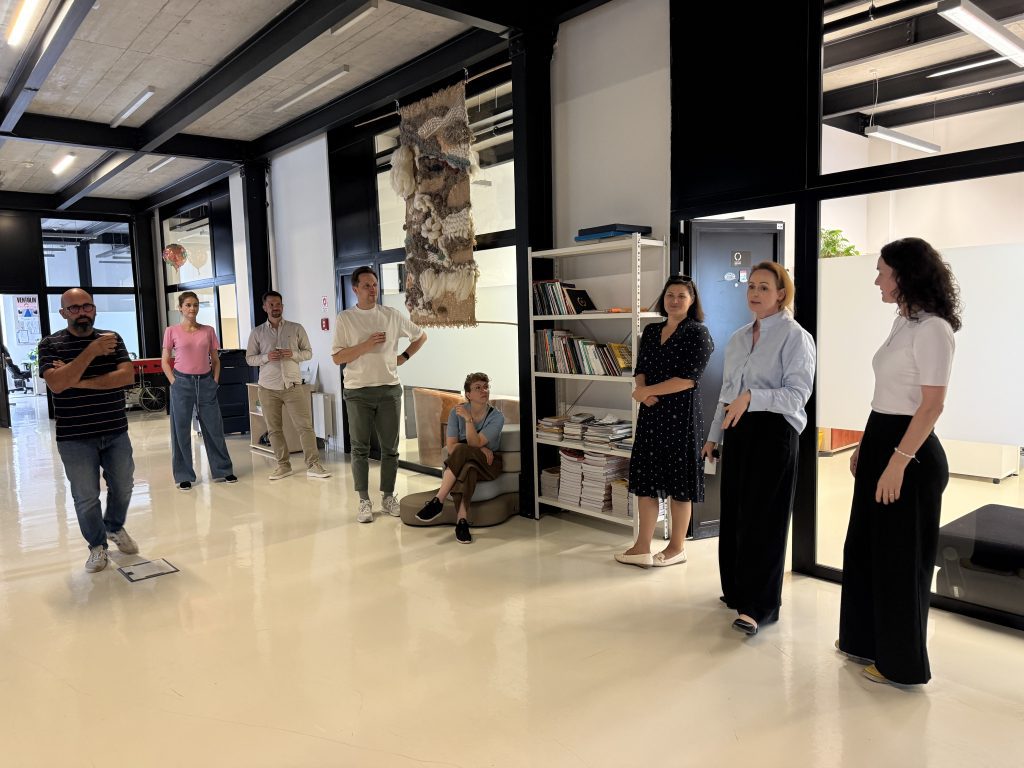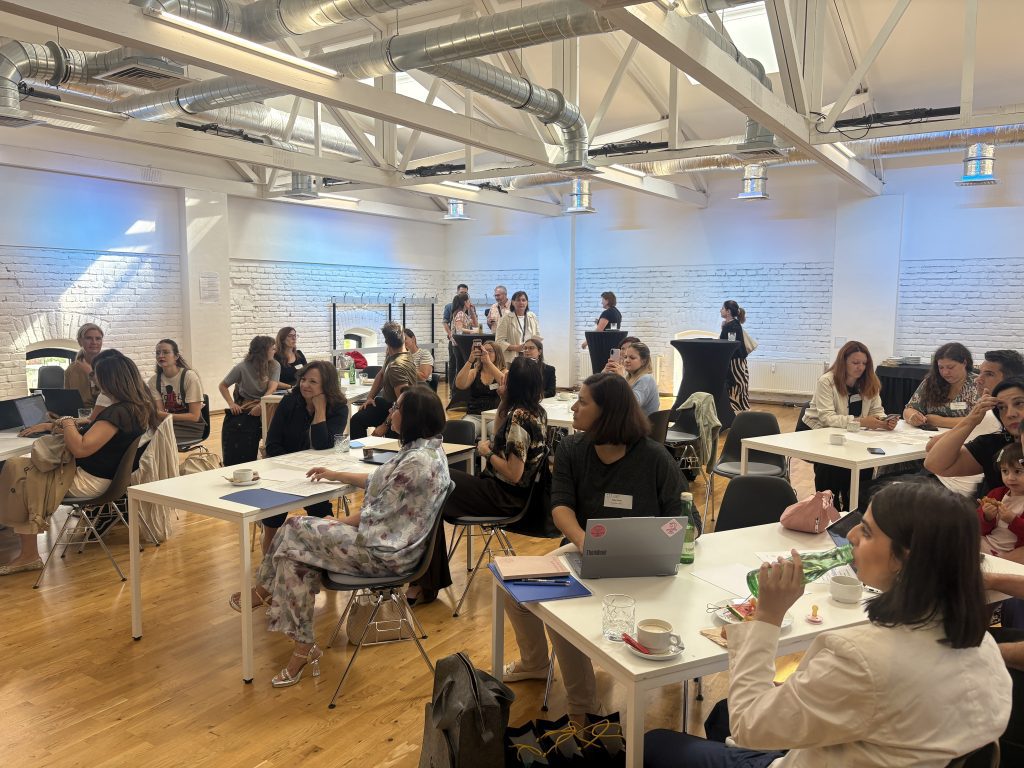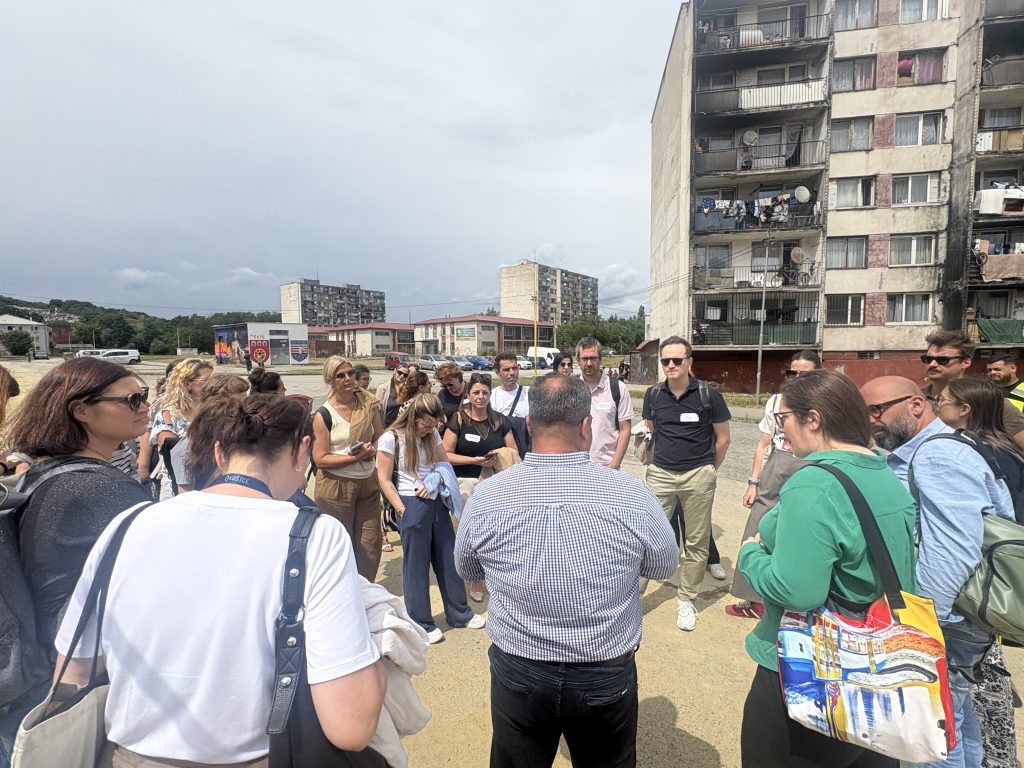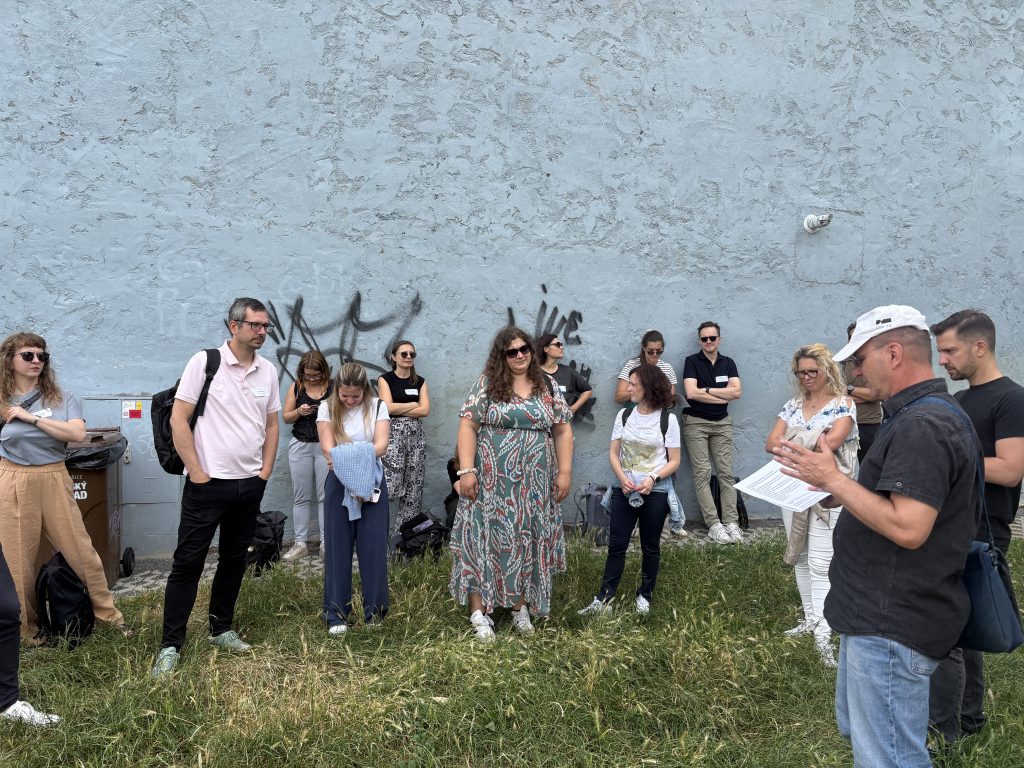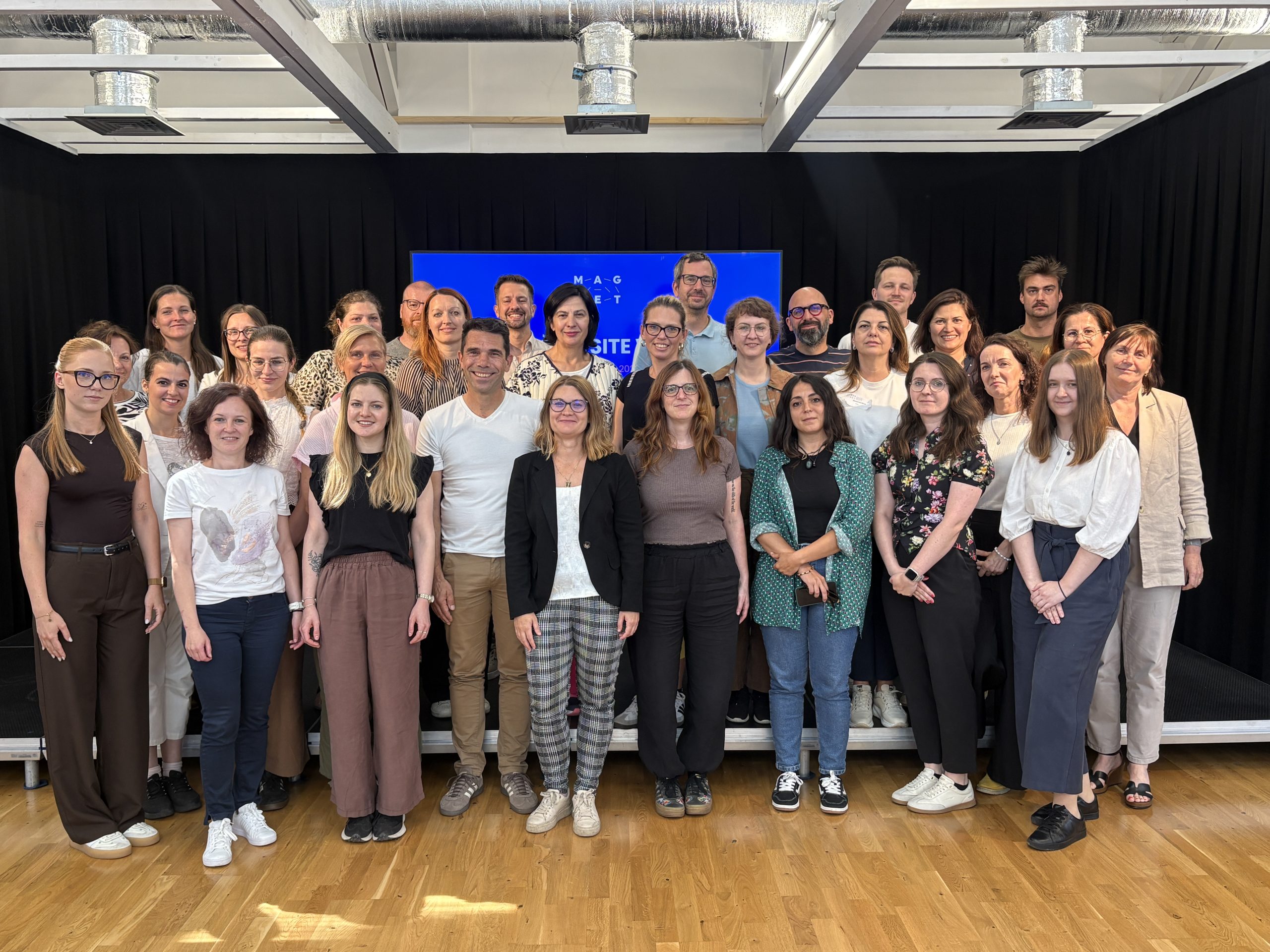
On 7–8 July 2026, representatives of the MAG-NET Alliance took part in a study visit to Košice, Slovakia. The purpose of the visit was to gain insight into approaches for addressing housing challenges, attracting and retaining talent, and exchanging good practices among partner cities. The programme was organised by the City of Košice, with the main conference activities taking place at the Kasárne Kulturpark creative and innovation hub.
Prior to the official start of the programme, the Mayor of the City Municipality of Celje, Matija Kovač, met with the Deputy Mayor of Košice, Lucia Gurbáľová. Their discussions focused on the importance of international cooperation, urban development, and challenges related to affordable housing and attracting young professionals. Mayor Kovač was accompanied during the visit by Deputy Mayor Samo Seničar.
The study visit brought together representatives of the partner cities of Celje, Varaždin, and Nardò, which are cooperating within the MAG-NET Alliance on the transfer of good practices. The first day was dedicated to presenting the broader development context of Košice through a field visit to examples of housing solutions. Participants visited an area providing assisted housing and social services for older residents, a planned site for rental housing development, and the Luník IX housing estate, where approaches to social inclusion and the provision of housing for vulnerable groups were presented. Particular attention was given to the Housing First model, which enables individuals to gain faster access to stable accommodation and more effective social support.
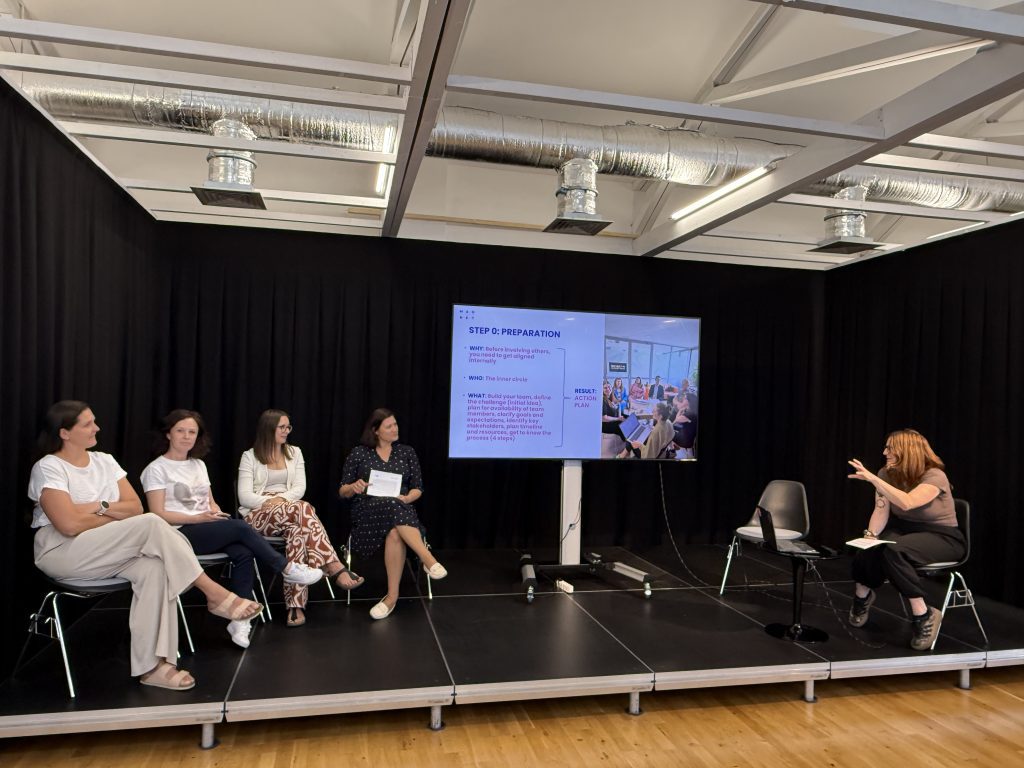
The second day focused on the exchange of experiences and discussions on the transferability of good practices among partner cities. Presentations covered activities related to the development of Košice’s sustainable housing strategy, cooperation among local housing stakeholders, and policies aimed at attracting and retaining talent. The delegation of the City Municipality of Celje also presented progress in the implementation of MAG-NET Alliance activities and the pilot measures planned at the local level across all five challenge areas. During a round-table discussion moderated by Nina Hlebec from the Innovation and Development Institute of the University of Ljubljana, participants included Tanja Tamše, Larisa Potokar and Mirjam Medanović Gominšek from the City Municipality of Celje, as well as Lucija Grušovnik from the Celje Youth Centre. The programme concluded with a presentation of the activities of CIKE and the development of the Košice 2.0 ecosystem, which connects the creative, cultural and research sectors and fosters innovation within the city.
The study visit provided a valuable opportunity for the international exchange of knowledge, experience and perspectives on addressing housing challenges and creating an attractive environment for living and working. At the same time, it further strengthened cooperation among the partners of the MAG-NET Alliance.